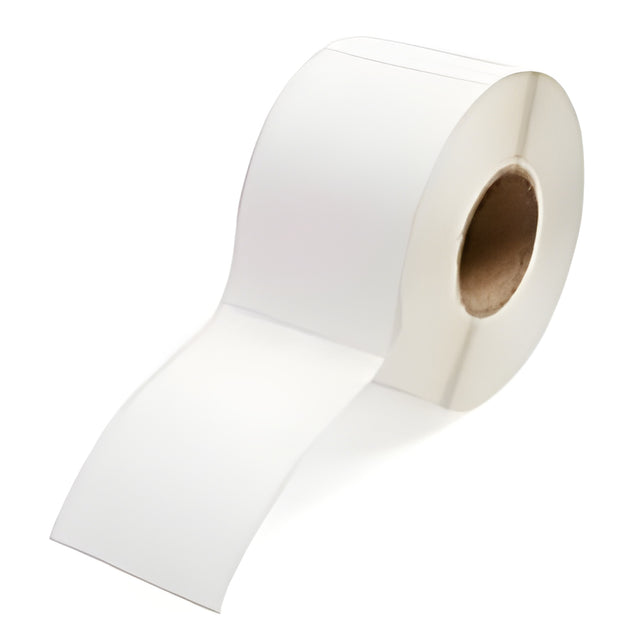
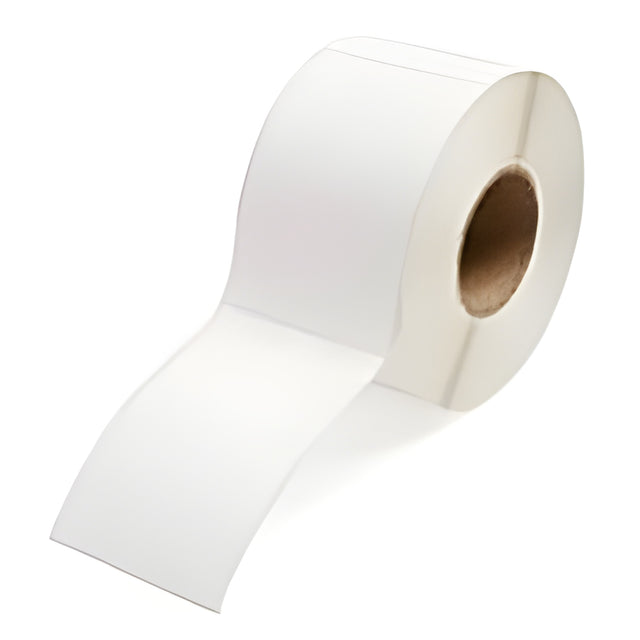
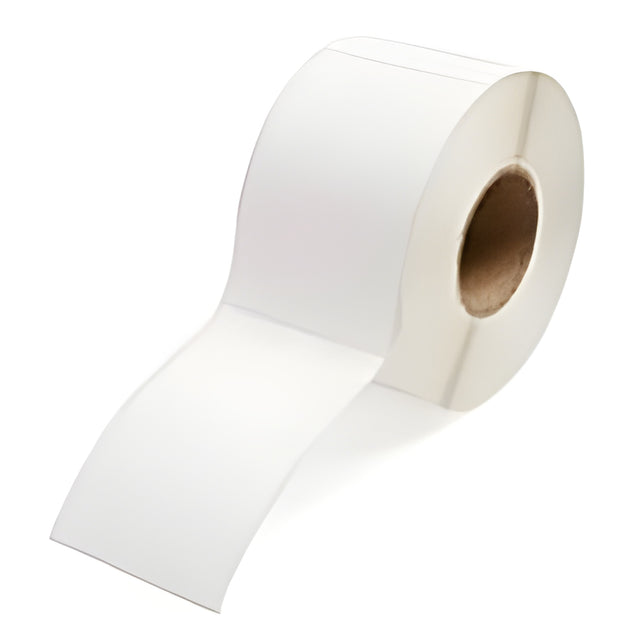
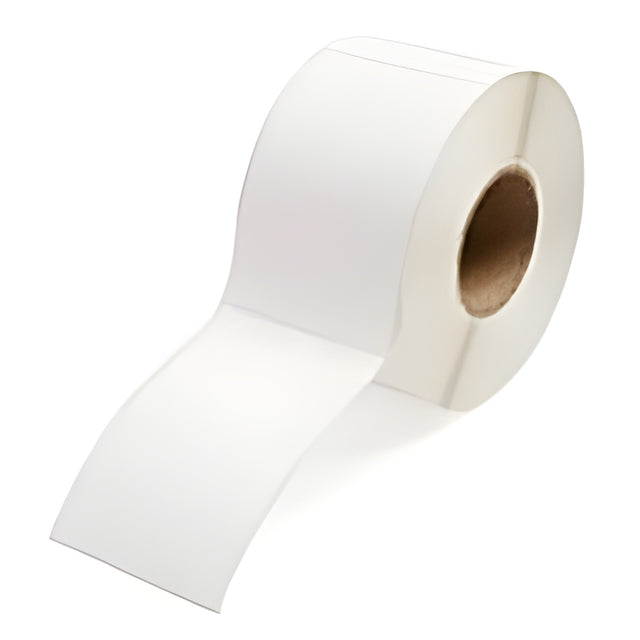
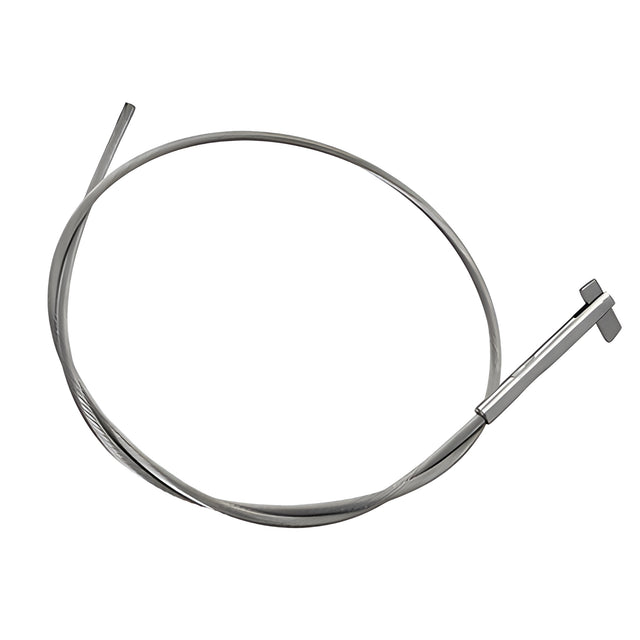
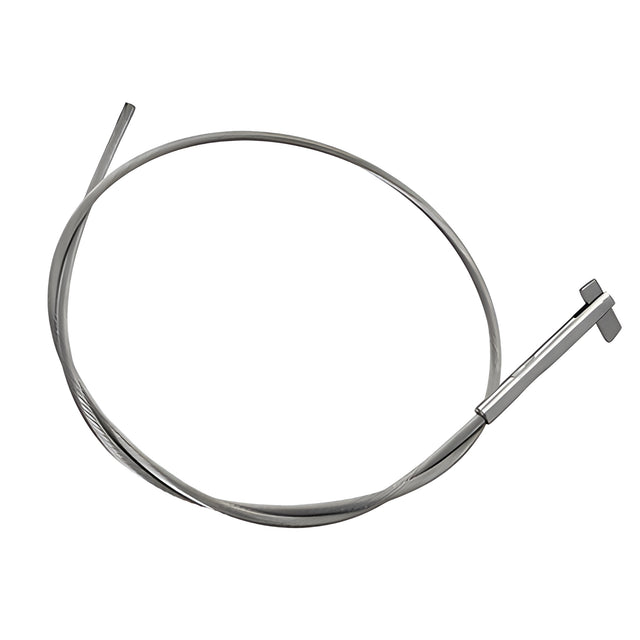
Product Details
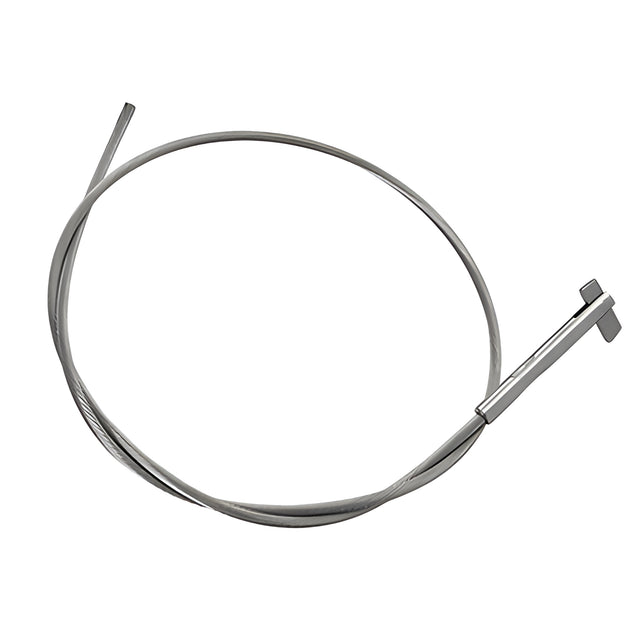
- Measures 5/8" (16 mm) Depth, but Referred to as 1/2" (13 mm) in the Trade
- 10, 20, 30, 40, and 50 Weight Range Balances in Lengths from 13" to 43" (330 mm to 1.09 m)
Each CRL FA Series 2/20 Weight Range Sash Balances requires one of several types of nylon guides to be riveted onto the top and bottom of the channel. Customers can either order channel balances with guides pre-attached at the factory, or can order guide kits, with rivets included, and mount the guides themselves. CRL also offers the handy Cat. No. H3740 Rivet Set Tool, which mushrooms the rivet, giving it a very strong set.
Ordering Tips for FA Series Sash Balances
Remove the existing Channel Balance from the window. Measure the length of the metal channel only. Do not include the Guides. This measurement should be at full inch increments.
NOTE: There have been a few window manufacturers that have used special 1/2" (12.7 mm) increment channel lengths. These Channel Balances are not stocked, however they can be special ordered.
Always look for the stamped or laser etched number on the back of the Channel Balance. This number will either be four numbers or two numbers and a letter. For example: 2710 or 27-2.
Using the numbers on the back of the Channel Balance, refer to the chart. If you have a full 18" (457 mm) length channel, and the corresponding number on the back of the Channel Balance is 1710 or 17-1, the corresponding CRL Cat. No. is FA1710.
If you have a full 27" length channel, and the number on the back of the Channel Balance is 2610 or 26-2, the corresponding Cat. No. is FA2610. The chart also includes a vent weight range. This range indicates the amount of sash weight that a pair of Channel Balances will hold. This range does not account for any excessive weatherstrip friction.
NOTE: The weight range chart should be used for reference only, or if the stamped number is too difficult to read.
Special weight range Channel Balances are available by special order. The standard balance chart shows stocked weight ranges from FA1210 to FA4240. The 10, 20, 30, 40 and 50 represents the counter-balance weight designation. If your Channel Balance has a number 90 or 9, instead of the five weight ranges listed above (for example: 2790-26) this Channel Balance was made specifically to carry a 26-pound sash weight per pair of Balances. If your Channel Balance has a "DS" after the length, for example 27DS-34, this pair of Channel Balances was made specifically to carry a 34-pound sash weight. These special weight Channel Balances are sometimes designed specifically for upper or lower sashes only. This information will need to be provided at time of order.
Product Warning:
The first two numbers of the CRL Catalog Number do not represent the length of the channel.